
It takes more than just cutting back on food to drop pounds. The key to weight loss is healthy eating and finding a meal plan that not only keeps your energy up but also keeps you full to avoid that calorie-cutting backlash. You have to make a plan and stick to it for lasting success, as opposed to following fad diets that promise the world.
1. Start with your daily calorie target.
Where calorie levels need to be established as a starting point and not guessed, attribute levels are needed for each distinct category of age, activity levels, and goals. Calorie intake also needs to be balanced during a cut, and that cut needs to be a contradiction of remaining levels concerning a 300-500 calorie deficit.
Consider using a calculator or nutritionist to help identify a target.
Remember the following:
- Eating small amounts of food can cause a slowdown in your body’s metabolism and an increase in hunger levels.
- What is healthy is taking a gradual deficit, as it is the more sustainable method
2. Focus on the Right Macronutrient Balance
Also needed is a healthy balance of carbs and protein with good-quality fats.
Lean protein needs to make up about 30-40% of your calories
Eating protein not only helps with portion control but also helps with muscle loss during weight loss.
Good protein options include eggs, yogurt, fish, and meat.
20-30% of the calories should come from healthy fats along with 30-50% of your eating intake for the day.
Healthy fats include salmon, olive oil, avocados, and nuts.
30-50% of your eating intake for the day should come from carbs.
Whole grains, fruits, and vegetables are good choices for fueling your brain and workouts. Focus on carbs that take a long time to digest.

3. Pack at least 50% of your food for meals with vegetables
Veggies are low-cal, nutrient-dense, and fibrous. They boost satiety. Broccoli, spinach, kale, zucchini, peppers, cauliflower, purple cabbage, and green beans. It is best to vary your food selection, as this provides you with the widest range of vitamins.
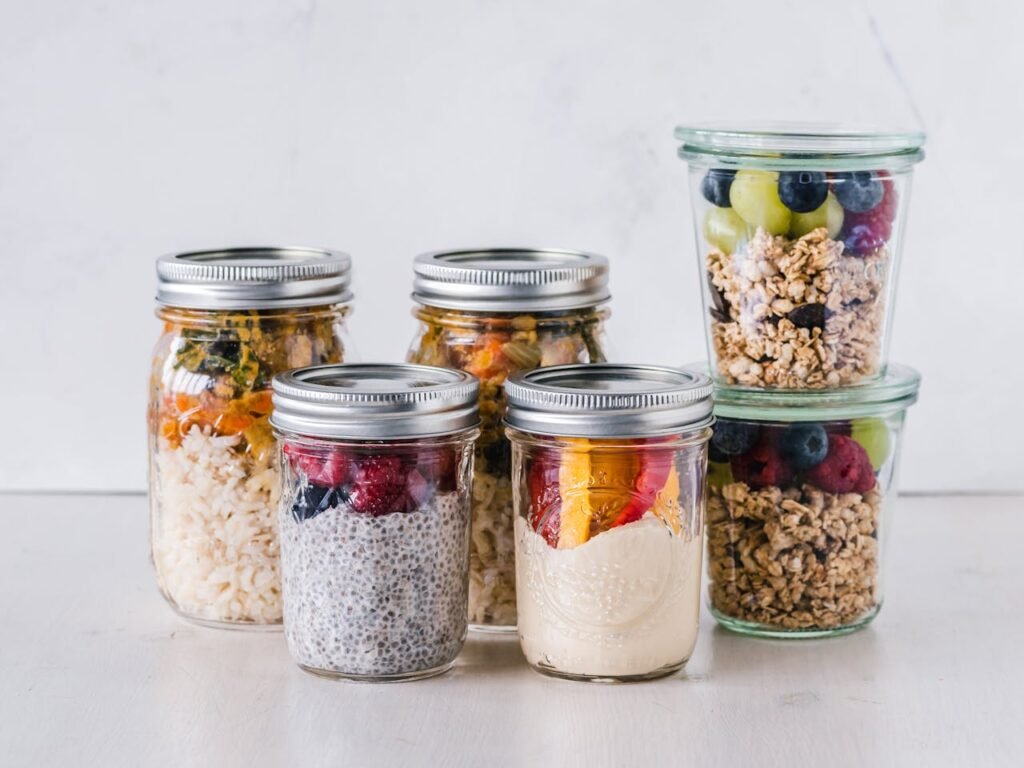
4. Score even more points for having your meals prepped in advance for the whole day
Breakfast: protein + fiber + healthy fats
e.g., oatmeal with berries and Greek yogurt
Lunch: Lean protein + veggies + whole grains
e.g., grilled chicken salad with quinoa, Turkey Wrap with avocado, and mixed greens
Dinner: same as lunch, but lighter if preferred
e.g. baked salmon with vegetables, tofu and brown rice with vegetables, Lean beef with mixed veggies
Snacks: While it’s best to keep these in small portions, these are best nutritionally
e.g., nuts and seeds, fruit with yogurt, hummus with carrots, cottage cheese
5. Maintain Portion Control
Even healthy foods are still calorie-dense. To reduce the risk of calorie exceeding:
- Use smaller plates
- Measure foods until you get an idea of the correct portion sizes you should be consuming
- Keep snacks pre-portioned. Avoid eating from larger bulk-sized snack packages during the day.
6. Adapt and Make Changes
It’s always best to have a meal plan that you can actually follow.
- Track:
- Hunger
- Energy Levels
- Weight Changes
- Cravings
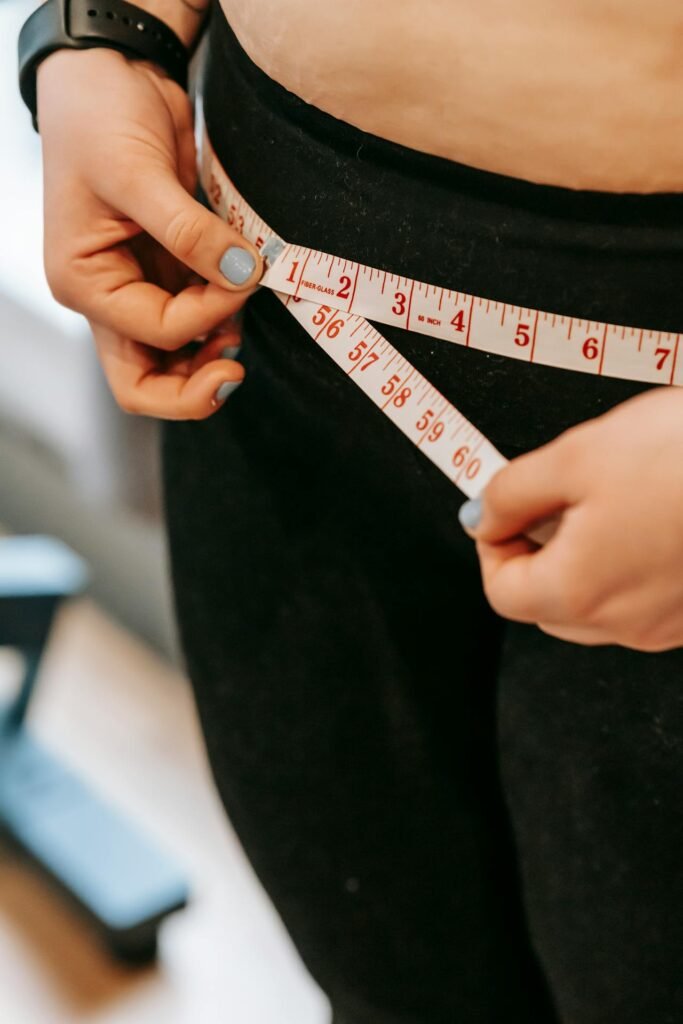
Every couple of weeks make the necessary adjustments. If you are feeling very hungry or fatigued more protein or more fiber is needed. If you notice that weight loss has plateaued, consider dropping more calorie-dense foods from your meals such as oils, nuts, or sweets.
Conclusion
It is best if the meal plan is one you can actually enjoy as you go about your daily routine. There should be no feeling of deprivation. Also, for the best results the weight loss should be steady and healthy. Setting a realistic calorie goal is the best way to start as well as prioritizing protein, selecting more nutrient-dense foods, and creating meals to keep you fueled and energized. More sustainable meals are the best foundation for long-term success.