
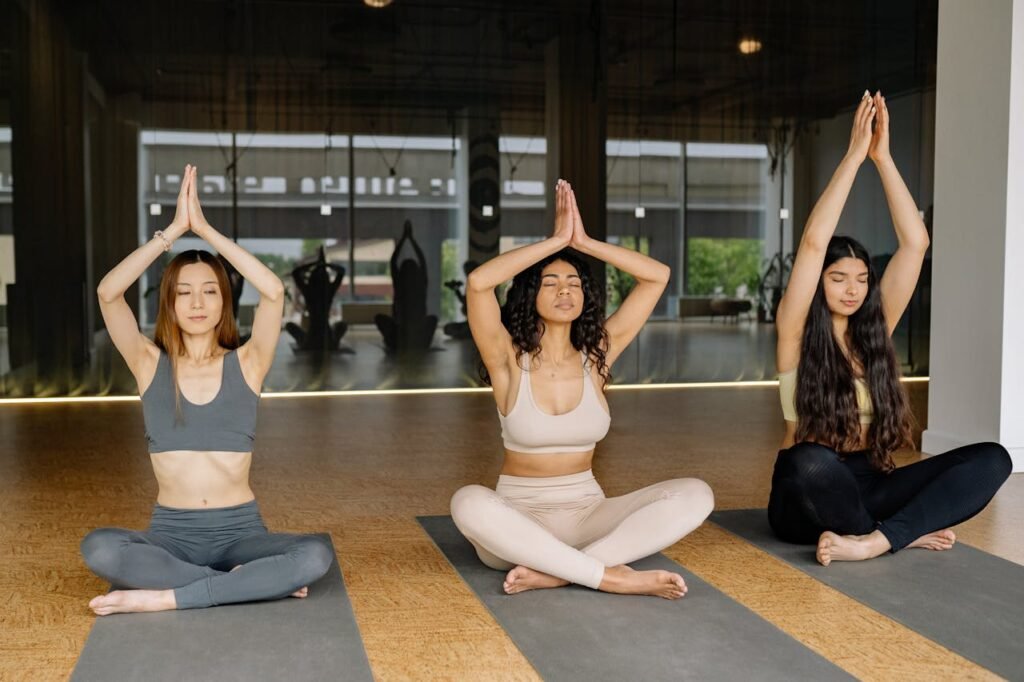
Fitness culture has changed significantly around the world over the last decade. No longer is fitness culture confined to workouts at the gym or weight-centric routines. Fitness culture has become holistic, and modern technological advances are intertwined. There is a greater integration of mental health in fitness routines, and fitness is included in our everyday lifestyle. There is a greater personalization of fitness and a modern focus on inclusivity and sustainability. The following are some of the most notable activity and fitness trends that are influencing the world today.
1. Health Technology Enablers
Health technologies such as smartwatches and fitness and heart rate trackers have changed the way people approach and manage their health. Health displacement technologies have provided people with real time feedback regarding the number of steps, the quantity of sleep, the rate of heart attacks, and other real time cardiovascular health feedback on the blood oxygen level. People are more informed and can make more accurate decisions with regard to exercise, health, and recovery.
2. AI-Powered and Virtual Fitness
AI technologies and digital platforms have also developed a new form of personalized training. Digital coaches can develop a personalized workout regimen and provide feedback regarding the effectiveness of the workout. There is more flexibility and greater convenience of digital workouts and fitness gaming available at home. Virtual digital classrooms are also available with great diversity. In general, digital platforms have made fitness and exercise much more accessible.
3. Micro-Workouts and “Exercise Snacking”
Trends in short, intense workouts are becoming more popular in exercise routines. Micro workouts work because you can do short, intense workouts and gain significant benefits from them. Micro workouts are more useful as people continue to find it more difficult to find time for prolonged workouts. Micro workouts can be added up throughout, as you can continue to exercise throughout the day for multiple, short periods. People are able to gain significant benefits from multiple short workouts throughout the day.
4. Outdoor and Nature-Based Fitness
Outdoor fitness activities are becoming popular as people are looking for balance and stress-relief activities. Outdoor fitness activities are numerous and include hiking, cycling, and running. For numerous activities, you can participate in paddleboarding and enjoy what is called “forest bathing.” These numerous activities improve your mental and physical health. Fitness is now more than just indoors and is tying more into the environment. Being outside in nature lowers your cortisol levels and improves your mental health.
5. Functional and Low-Impact Training
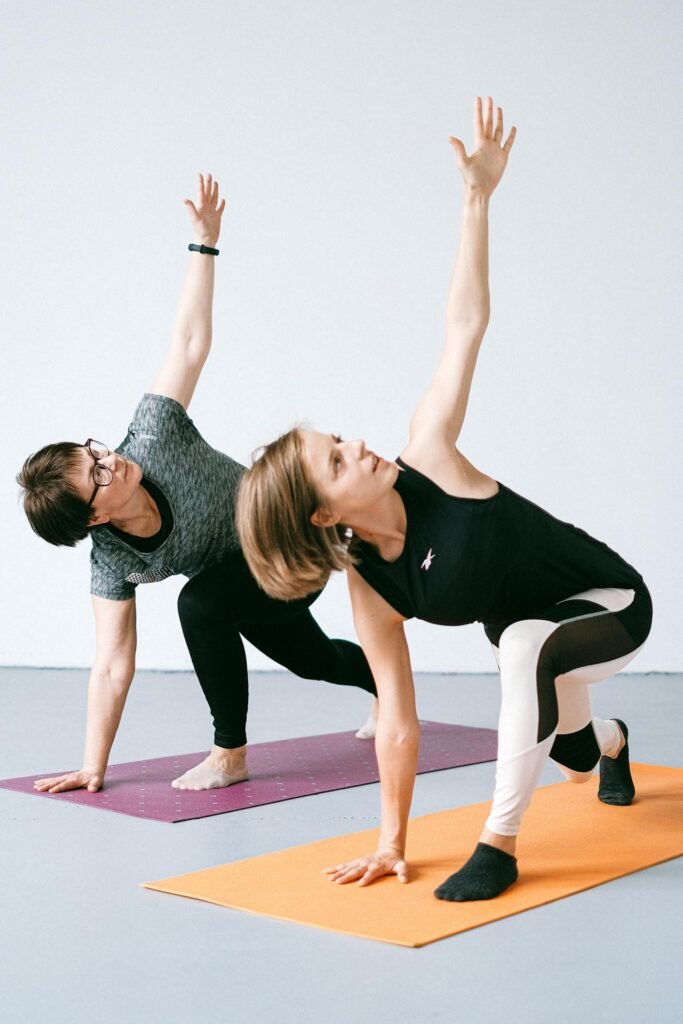
Training in a way that prepares your body for real-life activities is called functional fitness. Functional fitness is becoming more popular as people realize the usefulness and benefits of it. Functional fitness includes activities that restrict your body from injury and allow you to maintain good balance, strength, and mobility. Pilates and yoga is also becoming popular for low-impact activities that are good for people of all ages. Low-impact activities are good for older people that are looking to maintain healthy joints.
6. Recovery and Regeneration Culture
Rest is as equally important as training and is seen as crucial to advancement. Recovery tools such as massage guns, foam rollers, compression boots, cold plunges, and infrared saunas have entered the mainstream fitness culture. This trend shows that more and more people are focused on sustainable training, keeping their health and longevity in mind.

7. Community-Driven Fitness
Fitness has become a collaborative experience thanks to online fitness communities, group classes, and social workout challenges. Community support encourages people to stay consistent and have fun in their workouts. People are not just moving; they are finding their community through fitness.
Conclusion
Fitness as a whole has become integrated into a lifestyle that leverages technology, mental health, sustainability, and accessibility as modern trends in this space focus on personalized approaches to training, increased self-monitoring and recovery, and community as opposed to a singular dominant approach to a training program that is inflexible and disconnected from the users. Around the globe there’s a growing consciousness to the relationship between engagement in physical activity and mental health encouraging trends to foster a more holistic and inclusive future of fitness. The new era of fitness is not just about looking strong. It is about living strong. It is about living long. And It is about living in a more deliberate and conscious manner.